

Arca Swiss Plate vs Manfrotto: I’ve chased sunrises across rugged terrains for over two decades. Quick release systems keep my gear steady without wasting time. This comparison draws from my field tests and chats with fellow shooters.
Choosing between these setups boils down to your shooting style. One offers broad flexibility. The other prioritizes speed in simple scenarios. Let’s dive into what sets them apart.
Quick release plates changed how I work on location. They let me swap gear fast. No more fumbling with screws during golden hour.
These plates attach to your camera base. A clamp on the tripod head locks them in. This setup saves seconds that add up over a shoot.
I first encountered the Swiss-style system early in my career. It felt solid right away. Over time, it became my go-to for demanding trips.
The Arca system uses a dovetail design. You slide the plate into the clamp. A screw tightens it securely.
This allows adjustment along the plate’s length. Perfect for balancing heavy telephotos. I’ve used it on misty mountain hikes without slips.
The clamp opens wide for easy insertion. No need to align perfectly every time. It holds firm once locked.
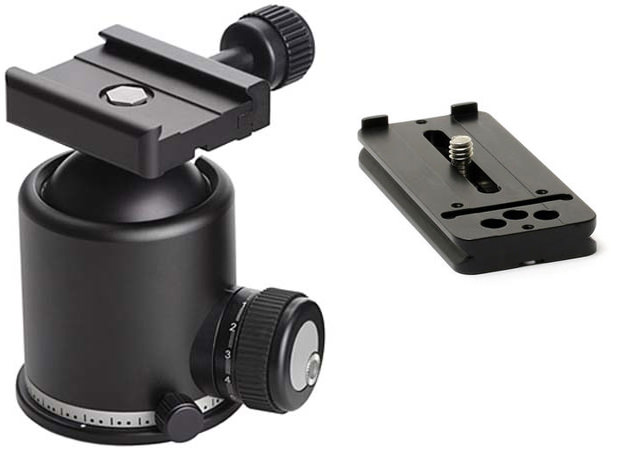
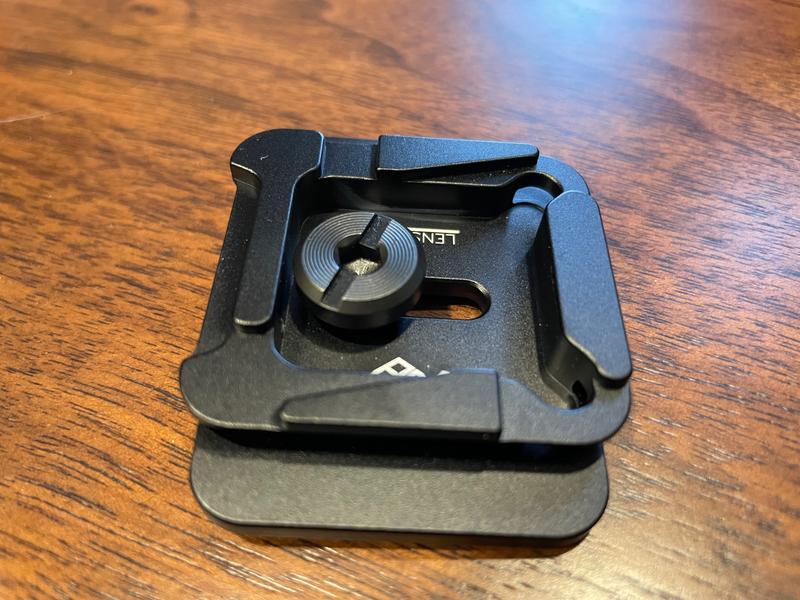
The Italian brand’s RC2 mechanism relies on a lever. Flip it to lock or release. It’s straightforward and quick.
Their plates often have a rectangular shape with rubber grips. They click into place audibly. I appreciated this feedback in low light.
A secondary safety catch prevents accidental drops. This feature saved my rig more than once during rushed setups.
Compatibility stands out as a key difference. The Arca design is an open standard. Many manufacturers adopt it, making swaps easy across gear.
I’ve mixed plates from various makers without issues. This flexibility shines when borrowing tripods from friends. No adapters needed in most cases.
However, the RC2 is more proprietary. It works best within its ecosystem. Crossing over often requires converters, which add bulk.
Arca plates excel with heavy loads. Their larger contact area provides better friction. This reduces wobble during long exposures.
I recall shooting wildlife with big lenses. The system held steady in windy conditions. No vibrations ruined my frames.
For lighter setups, the lever system feels faster. But with weight, it sometimes flexes more than I’d like.
Machining gives Arca edges in precision. Plates are milled for tight fits. This ensures consistent performance over years.
The RC2 often uses cast parts. They work fine but can wear quicker. I’ve noticed play in older units after heavy use.
Both handle daily abuse well. Yet the dovetail design allows sliding for balance. That’s a game-changer for macro work.
Arca Swiss Plate vs Manfrotto comes down to versatility versus simplicity. The former integrates with gimbals and sliders seamlessly. I use it across my entire kit.
The lever setup suits quick portrait sessions. But expanding your gear might limit you. I’ve seen many switch for this reason.
Adapters exist to bridge them. Yet they add weight and potential weak points. Better to commit to one early.
Early on, I stuck with the RC2 for its speed. Lever flips felt intuitive during events. No twisting knobs in the heat of action.
But as my work grew, compatibility issues arose. Borrowing Arca gear meant carrying extras. That cluttered my bag.
Switching opened new doors. Now my plates fit everything from monopods to stabilizers. Regret not doing it sooner.
In low light, the lever’s tactile feedback helps. You know it’s locked without looking. Saved me during night shoots.
Yet Arca’s screw offers fine control. I can loosen slightly for panning. This precision aids in video hybrid work.
Both have evolved. Some heads now blend features. But core differences remain in daily use.
For landscapes, Arca’s stability rules. I lock in and forget about it. Focus shifts to composition.
With events, RC2’s quick swaps shine. Detach and go handheld in seconds. Minimal disruption to the flow.
Wildlife demands both. But the dovetail’s adjustability tips the scale. Balance is key with long glass.
Macro photography benefits from sliding plates. Arca lets me fine-tune without repositioning. Saves time on delicate setups.
Portraits often need fast changes. The lever excels here. But if using L-brackets, dovetail integrates better.
Studio work favors either. Consistency matters more than speed indoors.
I’ve tested both in rain and dust. Arca’s machined build sheds grime easier. Less corrosion over time.
RC2’s rubber grips hold in wet conditions. But levers can stick if not maintained. Regular cleaning is a must.
Durability comes from quality. Third-party options vary wildly. Stick to reputable ones for peace of mind.
Weight plays a role in travel. Arca plates are often slimmer. They add less bulk to camera bodies.

RC2 plates bulge more. Noticeable when packing tight. But their safety latch adds security on the move.
Choose based on your bag space. Every ounce counts on long hauls.
To make this clearer, here’s a side-by-side look at key aspects.
| Feature | Arca-Style System | RC2 Lever System |
|---|---|---|
| Locking Mechanism | Screw knob | Flip lever with safety |
| Compatibility | High, open standard | Proprietary, needs adapters |
| Plate Size | Variable, often slim | Bulkier, rectangular |
| Adjustability | Slide for balance | Fixed position |
| Best For | Heavy gear, versatility | Quick swaps, simplicity |
| Build | Machined precision | Cast durability |
| Friction Surface | Larger area | Smaller contact |
This table sums up my experiences. It highlights strengths without overlap.
Arca plates come in lengths from short to extended. I use longer ones for teleconverters. They prevent tipping.

RC2 has variants like 200PL. Standard for many heads. But limited in customization.
Custom plates fit specific bodies. Enhance grip without adding height.
L-brackets pair well with Arca. Switch to portrait orientation fast. No head tilt needed.
RC2 lacks this seamlessly. Adapters complicate things. I’ve skipped them for cleaner workflows.
This accessory expands system potential. Worth considering for vertical shots.
Maintenance keeps plates reliable. Clean dovetails regularly. Prevent buildup from affecting lock.
For levers, lubricate sparingly. Avoid gumming up the mechanism. Simple habits extend life.
Inspect for wear annually. Replace if tolerances loosen. Safety first in the field.
Hybrid clamps accept both. I’ve used them on shared setups. Bridges gaps without full switches.
But pure systems perform best. Hybrids can add complexity. Weigh the trade-offs.

They suit mixed gear owners. Ease transitions gradually.
In video, Arca shines for rigging. Plates fit sliders and gimbals universally. Streamlines production.
RC2 works for basic tripods. But expanding rigs favors the standard. I’ve converted for this reason.
Consider your media mix. Versatility pays off long-term.
Travel photographers value compactness. Slim Arca profiles pack better. Less snag in bags.
Lever systems offer quick airport setups. But bulkier plates take space. Balance your priorities.
I’ve lugged both worldwide. Adapt to your journey style.
Arca Swiss Plate vs Manfrotto isn’t one-size-fits-all. Think about your gear ecosystem first. If mixing brands, go dovetail for ease.
For solo setups with speed, lever might suffice. But growth often leads to switches. Plan ahead.
My advice: Test both if possible. Hands-on feel guides the choice best.
Table of Contents
- Frequently Asked Questions
- What are the main differences between Arca-style and RC2 quick release systems?
- Can I use Arca plates on RC2 heads?
- Which quick release is better for heavy lenses?
- Is switching from lever to dovetail worth it?
- How do I maintain my tripod plates?
- Are there hybrid options for both systems?
- Which system is more durable in tough conditions?
- Do these plates fit all cameras?
- What’s the best for beginners?
- Can I use L-brackets with RC2?
- Alex Jr.
Frequently Asked Questions
What are the main differences between Arca-style and RC2 quick release systems?
The dovetail design allows sliding and broad compatibility. Levers provide faster locking with a safety catch. Each suits different workflows.
Can I use Arca plates on RC2 heads?
Not directly due to shape differences. Adapters exist but add bulk. Better to match systems for reliability.
Which quick release is better for heavy lenses?
Dovetail systems offer larger friction and adjustability. They handle weight without flex. Ideal for telephoto setups.
Is switching from lever to dovetail worth it?
If expanding gear, yes. Compatibility unlocks options. Many photographers report smoother workflows post-switch.
How do I maintain my tripod plates?
Clean contacts regularly. Check for wear. Lubricate levers lightly. This ensures secure holds over time.
Are there hybrid options for both systems?
Yes, some clamps accept either. They help during transitions. But dedicated ones perform optimally.
Which system is more durable in tough conditions?
Machined dovetails resist corrosion better. Levers hold in wet grips. Quality varies by maker.
Do these plates fit all cameras?
Most use standard 1/4-20 threads. Custom fits enhance specific bodies. Always verify compatibility.
What’s the best for beginners?
Lever systems for simplicity. Easy to learn. Graduate to dovetail as skills grow.
Can I use L-brackets with RC2?
Possible with adapters. But dovetail integrates natively. Cleaner for portrait flips.

I am a photography enthusiast turned blogger, sharing my passion and expertise on this blog, "CallofPhotography." Growing up surrounded by nature, I developed a love for capturing moments through my lens. After studying Fine Arts with a focus on photography, I launched my blog to share tutorials, gear reviews, and my own photographic work. Through engaging storytelling, I invites readers to join her visual journey, inspiring and empowering photographers of all levels worldwide.